
Diabetes is a chronic health condition affecting millions of Indians, with Type 2 diabetes being the most prevalent. Characterized by elevated blood sugar levels, diabetes requires lifelong management through medication, diet, exercise, and regular monitoring. This complete guide covers everything you need to know about diabetes symptoms, treatment options, prevention, and living healthy with the condition.
What is Diabetes?
Diabetes occurs when your body either doesn’t produce enough insulin (Type 1) or cannot effectively use the insulin it produces (Type 2). Insulin is a hormone that regulates blood sugar (glucose) levels. When insulin function is impaired, glucose builds up in the bloodstream, leading to various health complications if left uncontrolled.
Types of Diabetes
- Type 1 Diabetes: Autoimmune condition; body attacks insulin-producing cells; requires lifelong insulin therapy; usually diagnosed in children/young adults
- Type 2 Diabetes: Insulin resistance; lifestyle-related (obesity, sedentary); accounts for 90-95% of cases; manageable with lifestyle changes and medication
- Gestational Diabetes: Develops during pregnancy; usually resolves after delivery; increases risk of Type 2 later
- Prediabetes: Blood sugar higher than normal but not diabetic; reversible with lifestyle changes
Diabetes Symptoms: Warning Signs
Recognize these common symptoms:
- Frequent urination (polyuria)
- Excessive thirst (polydipsia)
- Increased hunger (polyphagia)
- Unexplained weight loss (Type 1)
- Fatigue and weakness
- Blurred vision
- Slow-healing wounds or infections
- Tingling or numbness in hands/feet (neuropathy)
- Recurrent skin or gum infections
- Dark skin patches (acanthosis nigricans)
Diagnostic Tests for Diabetes
| Test | Normal Range | Diabetic Range |
|---|---|---|
| Fasting Blood Sugar (FBS) | < 100 mg/dL | ≥ 126 mg/dL |
| Postprandial (PP) Sugar | < 140 mg/dL (2h after eating) | ≥ 200 mg/dL |
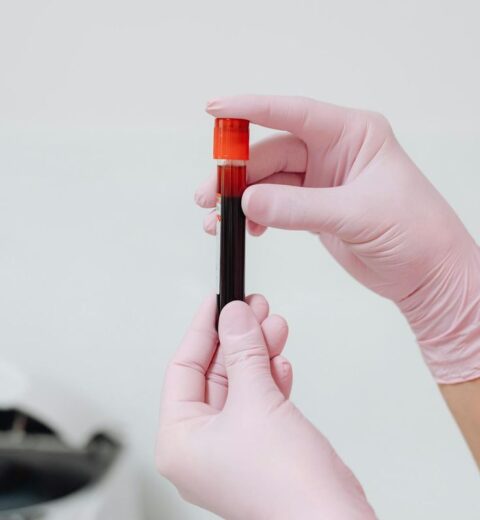
| HbA1c (Glycated Hemoglobin) | < 5.7% | ≥ 6.5% |
| Random Blood Sugar (RBS) | < 200 mg/dL (with symptoms) | ≥ 200 mg/dL + symptoms |
| Oral Glucose Tolerance Test (OGTT) | < 140 mg/dL (2h) | ≥ 200 mg/dL |
Diabetes Treatment Options
Lifestyle Management (Foundation)
- Weight management: lose 5-10% body weight if overweight
- Balanced diet: low GI, high fiber, controlled carbs
- Regular exercise: 150 min/week moderate activity
- Quit smoking and limit alcohol
- Adequate sleep (7-8 hours)
- Stress reduction (meditation, yoga)
Medications
- Metformin: First-line for Type 2; reduces liver glucose production
- Sulfonylureas: Stimulate insulin secretion (glipizide, glyburide)
- DPP-4 Inhibitors: Improve insulin release (sitagliptin, linagliptin)
- SGLT2 Inhibitors: Increase glucose excretion in urine (empagliflozin, dapagliflozin)
- GLP-1 Receptor Agonists: Slow digestion, increase insulin (injectable: liraglutide, semaglutide)
- Insulin Therapy: Required for Type 1 and advanced Type 2 (basal, bolus, premixed)
Best Diet for Diabetes Control
- Complex Carbs: Whole grains, millets, brown rice, oats (portion control)
- High Fiber: Vegetables, legumes, fruits (low GI), nuts
- Lean Protein: Fish, chicken, tofu, pulses, low-fat dairy
- Healthy Fats: Avocado, olive oil, nuts, seeds
- Avoid: Refined sugars, sugary drinks, processed foods, white bread, maida
- Timing: Regular meals, avoid skipping; small frequent meals may help
Top Indian Hospitals for Diabetes Care
- All India Institute of Medical Sciences (AIIMS), Delhi: Comprehensive endocrinology services
- Sanjay Gandhi Postgraduate Institute (SGPGI), Lucknow: Excellent diabetes research and treatment
- Christian Medical College (CMC), Vellore: Advanced diabetes management center
- Jaslok Hospital, Mumbai: Endocrinology and diabetes specialty
- Apollo Hospitals, Chennai: Diabetes clinics and education programs
Diabetes Prevention Strategies
- Maintain Healthy Weight: BMI < 25, waist circumference < 90 cm (men), 80 cm (women)
- Regular Physical Activity: At least 30 minutes daily, 5 days/week
- Balanced Diet: High fiber, whole grains, vegetables; limit processed foods
- Limit Sugary Beverages: Avoid soft drinks, fruit juices with added sugar
- Quit Smoking: Smoking increases insulin resistance
- Moderate Alcohol: If consumed, limit to 1-2 drinks occasionally
- Regular Screening: Blood sugar tests every 3 years after age 45 (earlier if risk factors)
- Manage Stress: Chronic stress raises blood sugar levels
- Adequate Sleep: Poor sleep affects insulin sensitivity
Complications of Uncontrolled Diabetes
- Cardiovascular Disease: Heart attack, stroke risk increases 2-4x
- Kidney Damage (Nephropathy): Leading cause of kidney failure
- Nerve Damage (Neuropathy): Numbness, pain, digestive issues
- Eye Problems (Retinopathy): Leading cause of blindness
- Foot Problems: Poor circulation, infections, amputations
- Skin Conditions: Infections, poor wound healing
- Dental Issues: Gum disease, infections
- Hearing Loss: Higher risk with uncontrolled diabetes
- Mental Health: Depression, cognitive decline
Daily Diabetes Management Tips
- Monitor Blood Sugar: Regularly as per doctor’s advice (fasting, postprandial, HbA1c every 3-6 months)
- Medication Adherence: Never skip doses; set reminders
- Foot Care: Daily inspection, keep clean and moisturized, wear comfortable shoes
- Eye Exams: Annual dilated eye exams
- Kidney Function: Annual urine and blood tests
- Vaccinations: Flu annually, pneumococcal, hepatitis B
- Emergency Kit: Carry glucose tablets, medical ID
- Hydration: Drink adequate water throughout the day
- Meal Planning: Follow plate method: half vegetables, quarter protein, quarter carbs
Frequently Asked Questions
1. Can diabetes be cured?
Type 1 diabetes is lifelong. Type 2 diabetes can be reversed (remission) with significant weight loss, lifestyle changes, and sometimes bariatric surgery, but requires sustained effort to maintain normal blood sugar without medication.
2. Should I stop eating fruits if I have diabetes?
No, fruits provide essential vitamins, minerals, and fiber. Choose low GI fruits (guava, apple, pear, berries) in moderation (1-2 servings/day). Avoid fruit juices. Pair with protein/fat to slow sugar absorption.
3. Is brown sugar better than white sugar for diabetics?
Both have similar calorie content and raise blood glucose. Brown sugar contains trace minerals but negligible health benefit. Focus on reducing overall sugar intake rather than substituting types.
4. Can I exercise with diabetes complications?
Yes, but with precautions: avoid heavy weightlifting with retinopathy; avoid high-impact with neuropathy; check feet daily; monitor blood sugar before/after exercise; avoid if ketones present. Consult your doctor for personalized plan.
5. What is a normal HbA1c target?
Generally < 7% for most adults. Individual targets vary: younger patients may aim < 6.5%; elderly or those with complications may target < 8% to avoid hypoglycemia. Work with your doctor to set appropriate goals.
Conclusion
Diabetes management is a lifelong commitment, but with proper care, people with diabetes can live full, healthy lives. The key lies in understanding your condition, adhering to treatment, maintaining a healthy lifestyle, and regular monitoring. Early diagnosis and intervention significantly reduce complication risks. Stay informed, work closely with your healthcare team, and prioritize daily self-care to keep your diabetes under control.
Also Read:
- Heart Attack Symptoms & First Aid 2026
- Thyroid Disorders: Complete Guide 2026
- Long COVID Symptoms & Management 2026
Stay tuned to Top10Doc.in for more health guides and chronic condition management tips!